Case study
 Dynamilis
Transforming an EPFL handwriting research prototype into an AI-powered iPad app with 300K+ downloads. Used by families and schools across Europe, with top-5% funnel performance and measurable learning gains.
300K+
Downloads
Top 5%
Conversion & retention (EdTech)
4.8★
App Store
Product
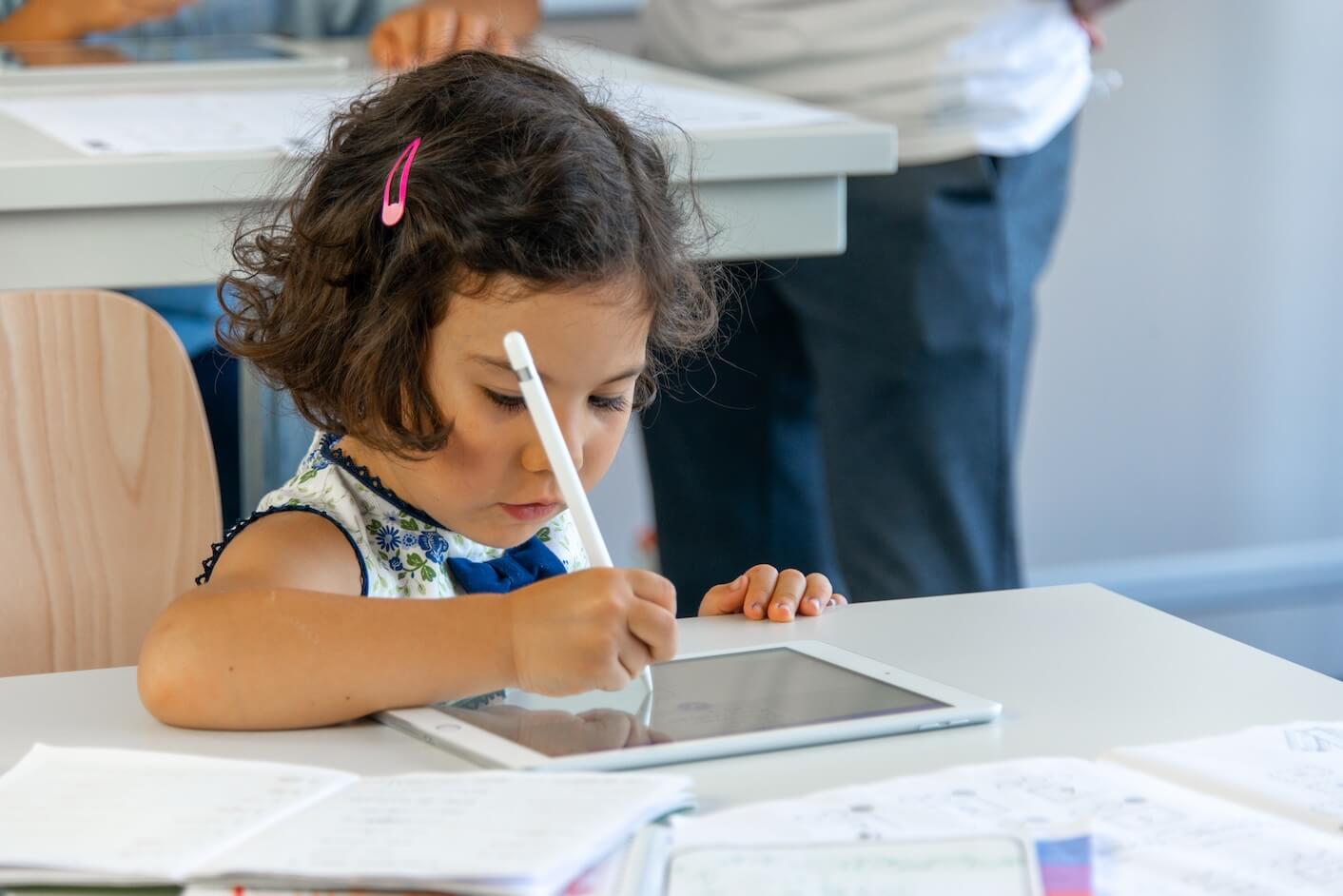
AI-powered iPad app plus printable web resources. Children complete assessments and training in the app; adults download and print paper activities that extend the experience beyond the screen.
My role
- • Co-Founder & COO · Head of Product
- • Owned the product backlog end-to-end (discovery → delivery)
- • Product strategy, experimentation & go-to-market
- • Marketing & business development (parents & schools)
Team & context
- • EPFL spin-off (Swiss Federal Institute of Technology in Lausanne)
- • Seed-stage startup, limited budget
- • Cross-functional team of ~10
- • School partnerships in five countries
How Dynamilis works
A simple loop for children, parents and teachers, powered by AI.
Write
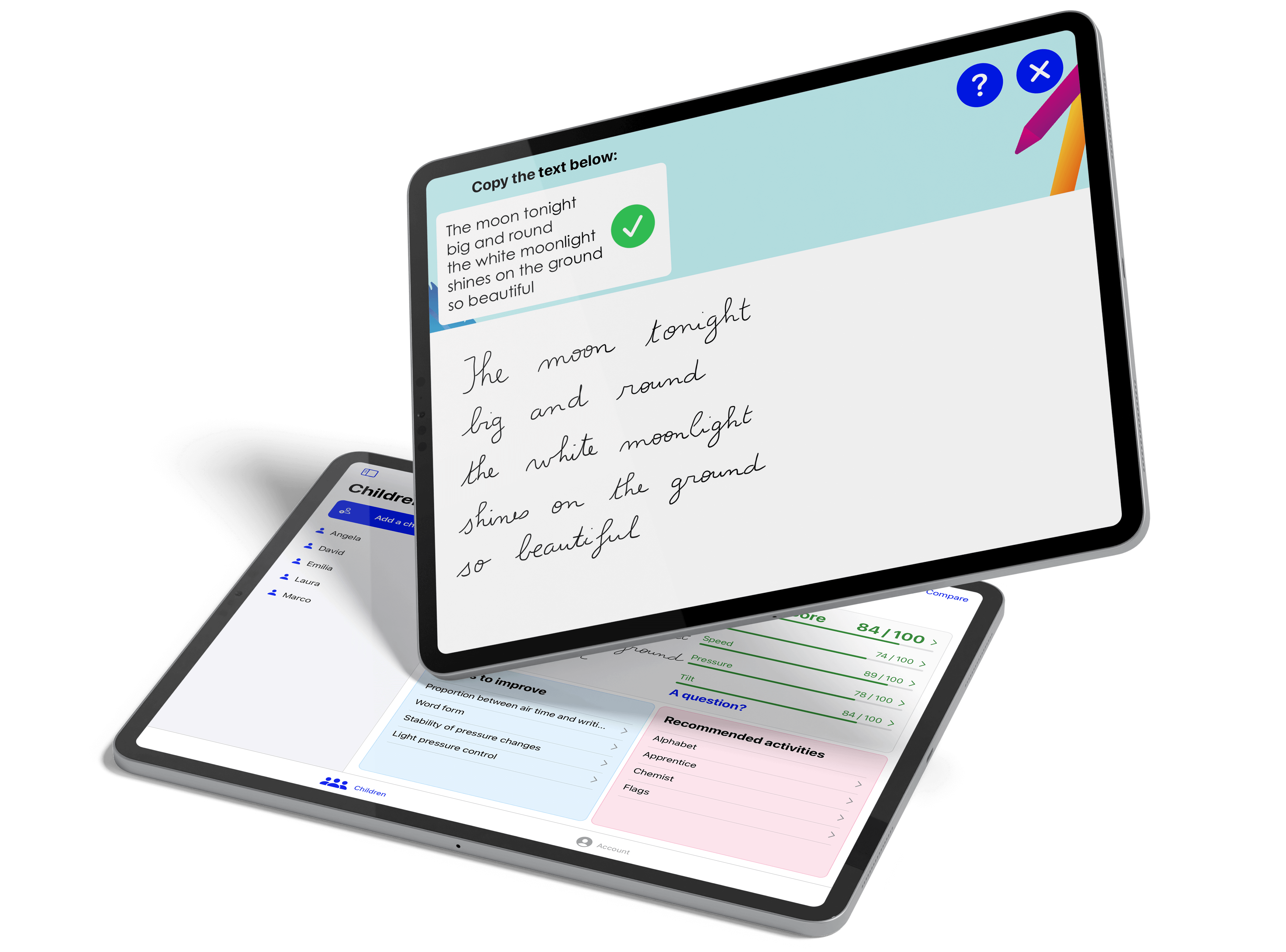
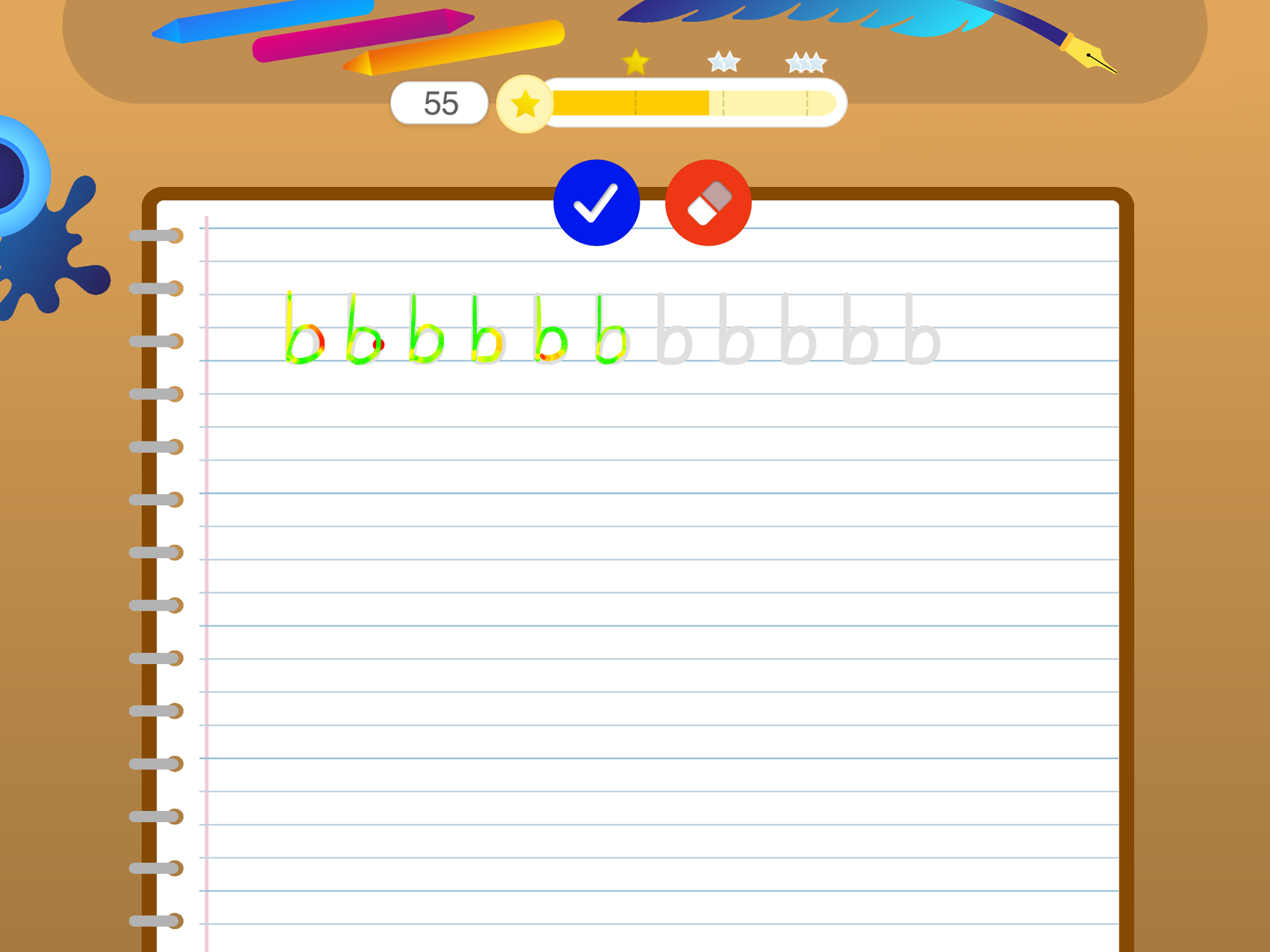
Children complete short tasks on iPad to capture strokes with pressure, speed and fluency.
Assess
The app turns raw signals into simple scores and indicators adults can understand.
Learn by playing
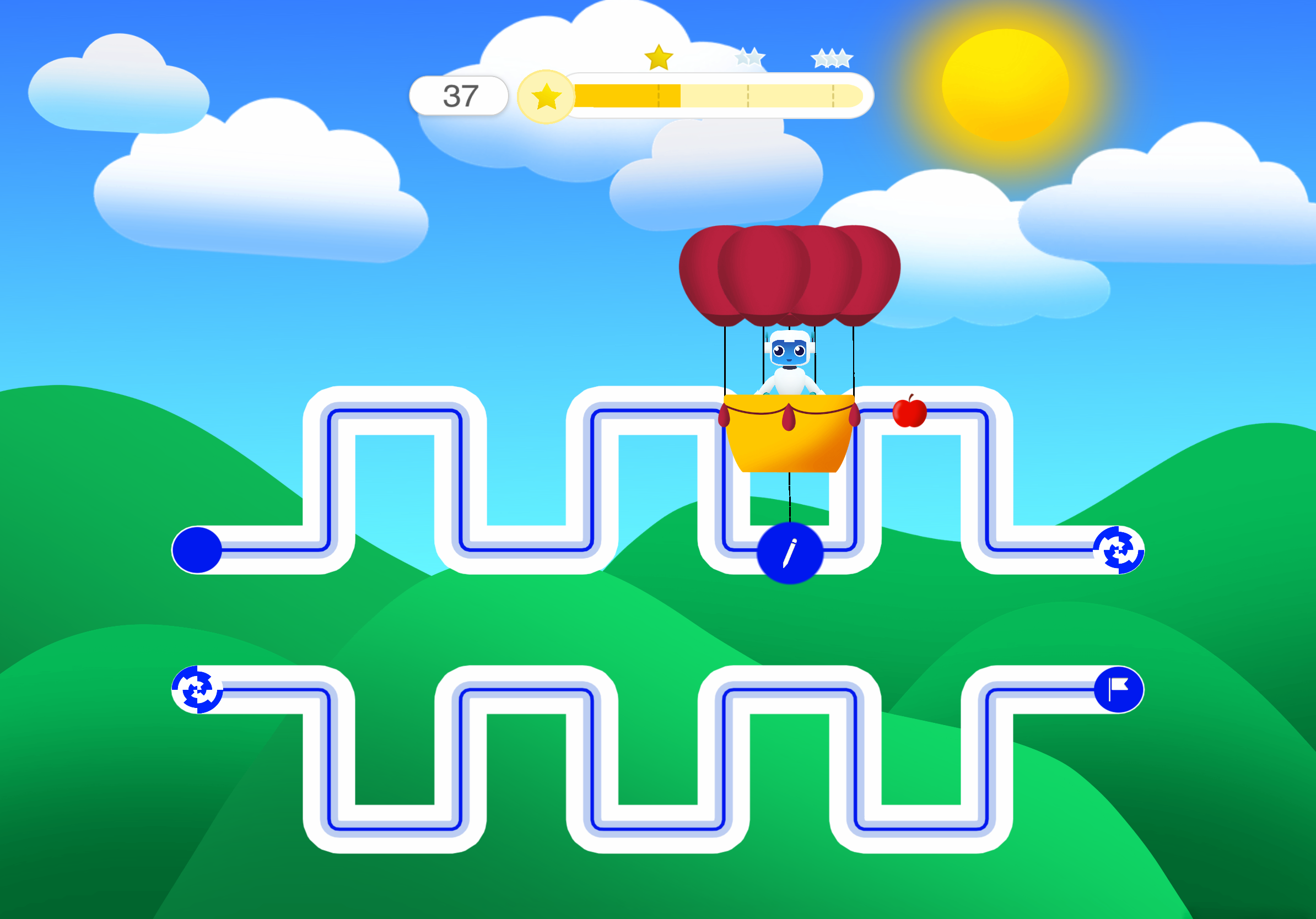
Children follow targeted games and exercises on iPad or paper, and progress is tracked over time.
Context
The opportunity
Handwriting difficulties affect 10–30% of children but are often detected too late. Teachers lack time for individual assessment, and parents struggle to know when difficulties are serious enough to seek help.
Starting point
A promising research prototype at EPFL with no users and a small dataset. The interface was designed for researchers, not for families or schools yet.
Challenge
How do you turn research into a product that works in real homes and classrooms?
The technology was promising, but we needed to answer fundamental questions. What problem are we really solving for parents? How do we make this work in schools with limited devices and teacher time? How do we build trust with something as personal as a child's development?
Product clarity
Research revealed many signals, but users needed one clear value proposition and simple next steps.
Data quality
The system needed diverse, real-world data from thousands of children across age groups and writing systems.
Two markets
Parents wanted quick results at home. Schools needed deployment that fit their day-to-day reality in the classroom.
Approach
What I did
Define the core loop
Product strategy
Instead of exposing every research idea, I defined a single loop: capture handwriting → analyze → guide targeted training. This became the north star for design, engineering and go-to-market.
Impact: Clear focus enabled a simple story for parents and teachers, easier prioritisation, and a product pitch that fits in under 30 seconds.
Own the backlog
Discovery & delivery
I owned a single product backlog from MVP to growth, bridging feedback from parents, therapists and teachers with the engineering team. Interviews, support tickets and data were synthesised into themes, then into clear, prioritised work for the team.
Impact: The team always knew what mattered most and why, and we could ship meaningful improvements every cycle rather than reacting feature by feature.
Build the dataset
Partnerships & execution
I led partnerships with schools in five countries to collect structured handwriting data from over 20K children aged 5–12. I negotiated access, ensured GDPR compliance, and coordinated data collection logistics with teachers and researchers.
Impact: Diverse, real-world data improved performance across age groups and writing systems, making the product viable for European markets.
Marketing & business development
Acquisition & sales
Beyond product, I owned most of the marketing and commercial work: defining narratives, creating App Store assets and campaign creatives, setting up and monitoring campaigns, and running demos and pilots with schools.
Impact: With a small budget, we still reached 300K+ downloads and conversion and retention in the top 5% of EdTech apps, while signing contracts with schools in Switzerland.
One key result
App Store conversion:
1.5% → 6.5%
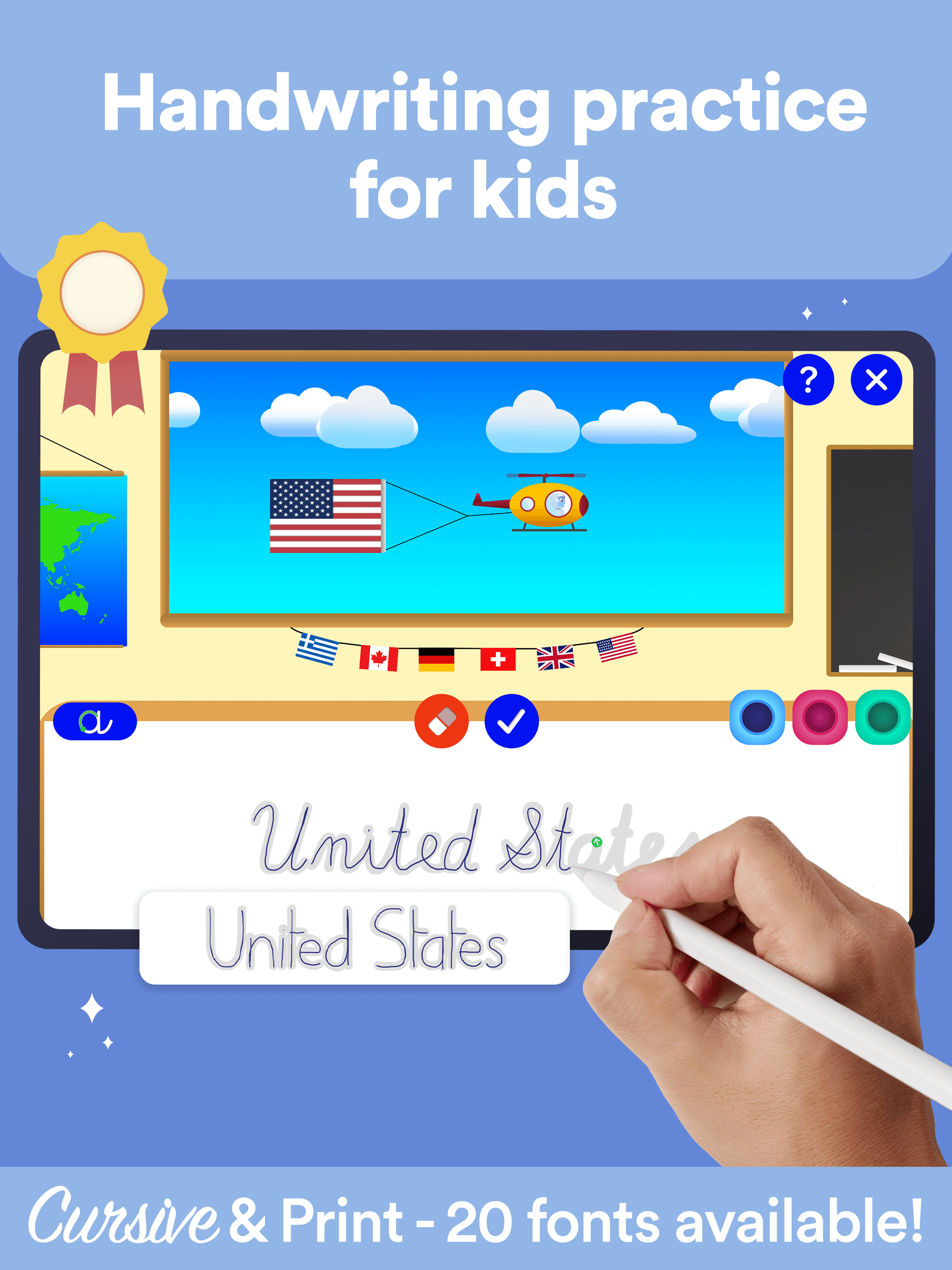
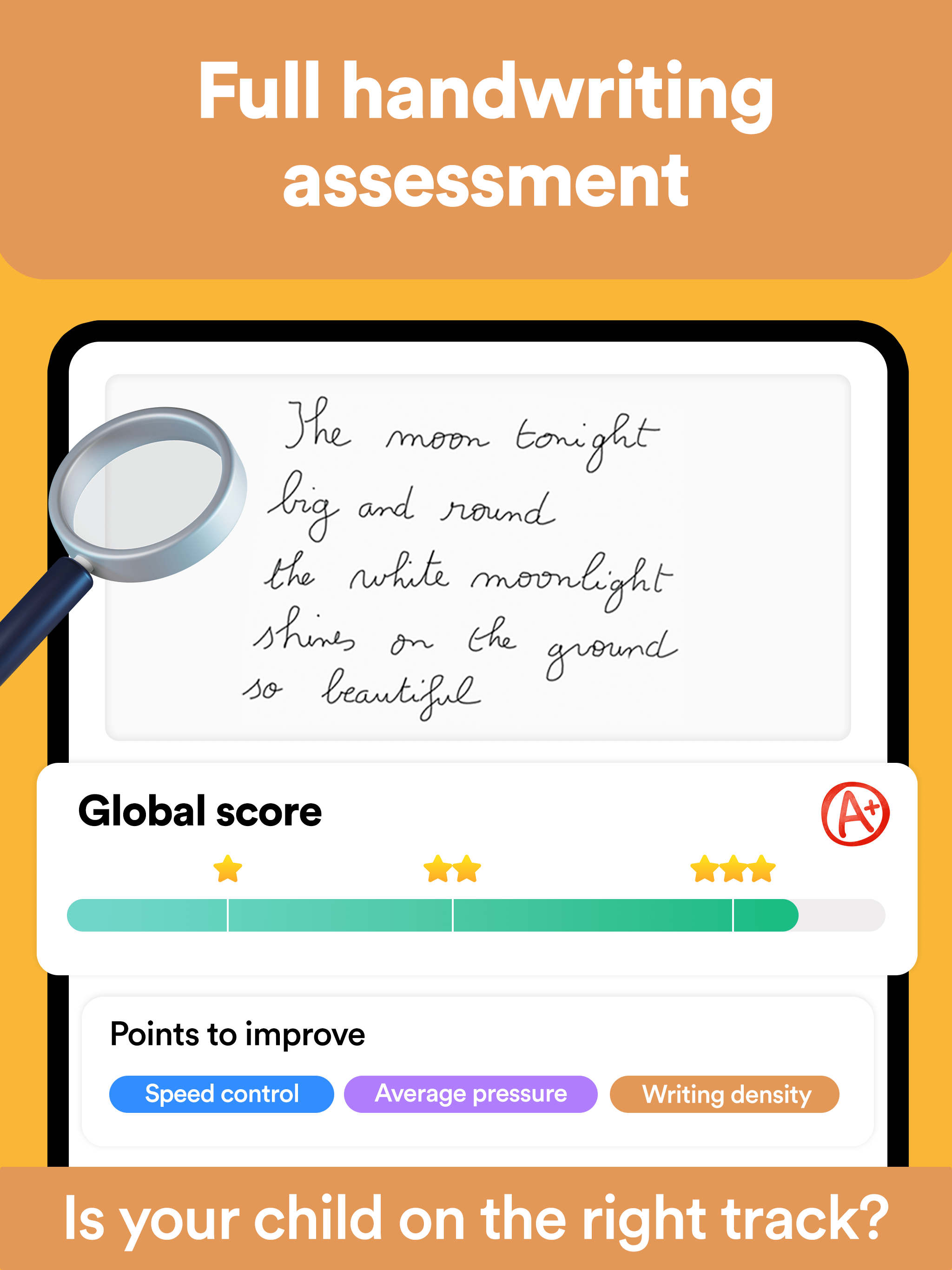
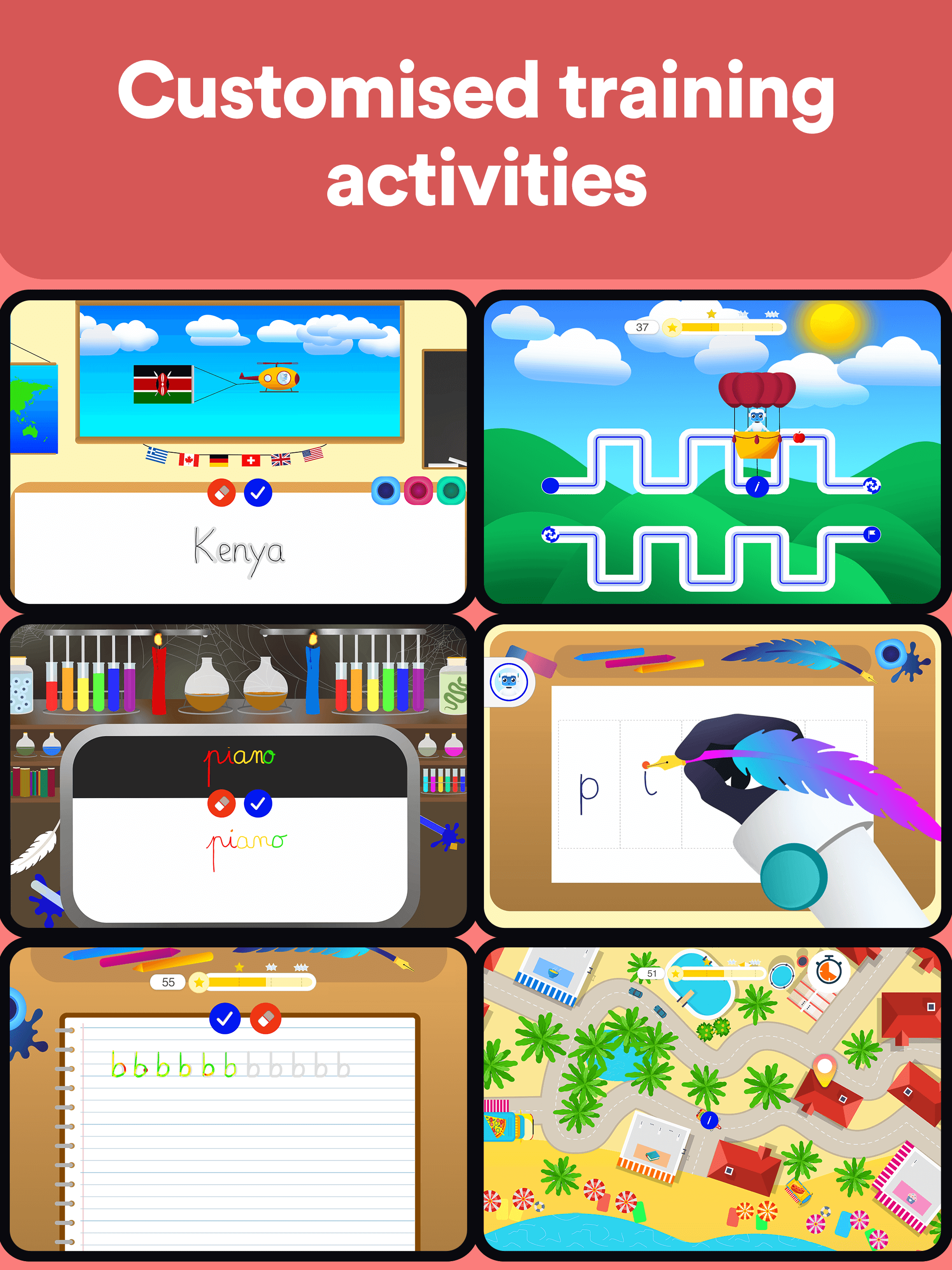
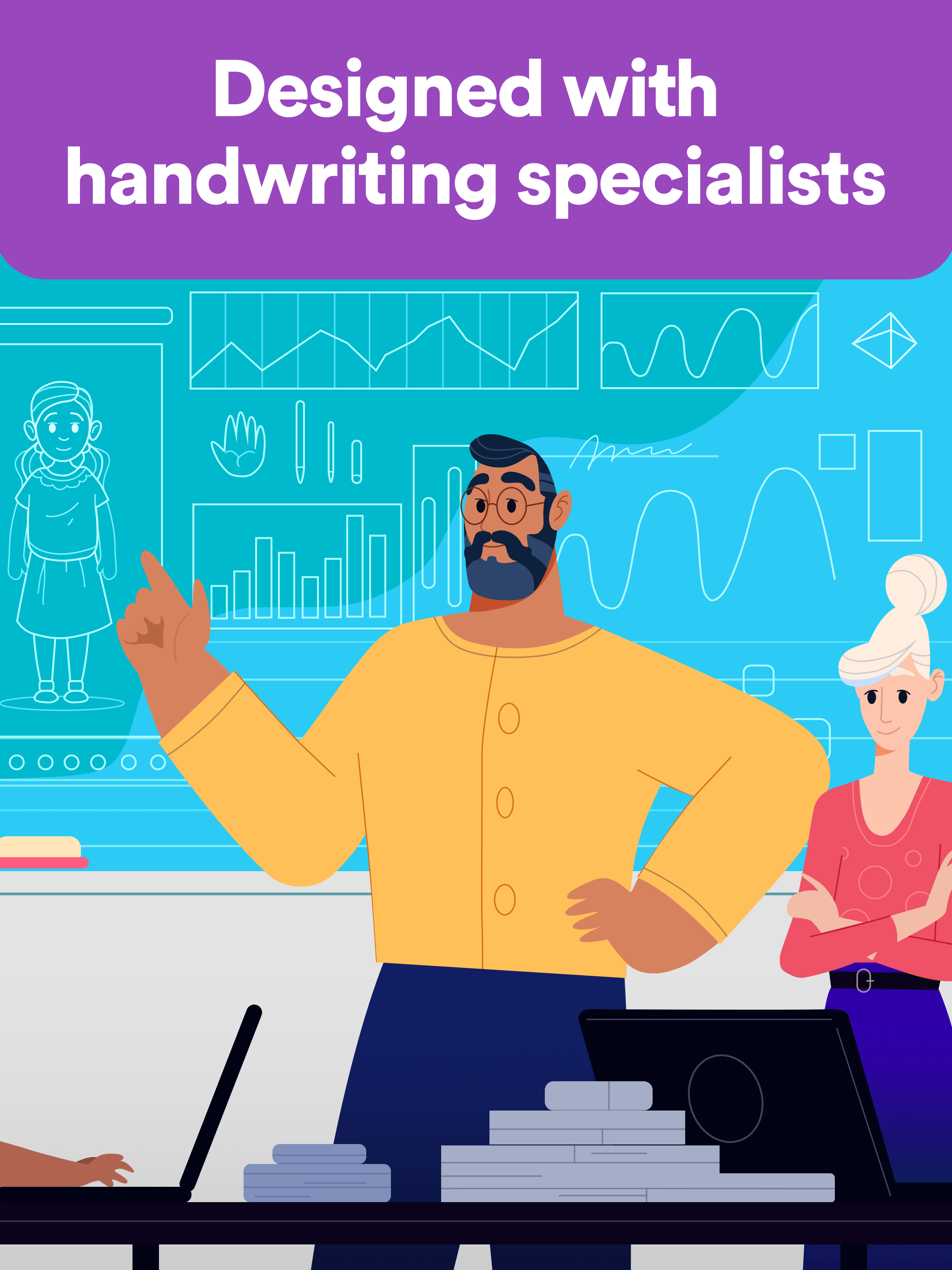
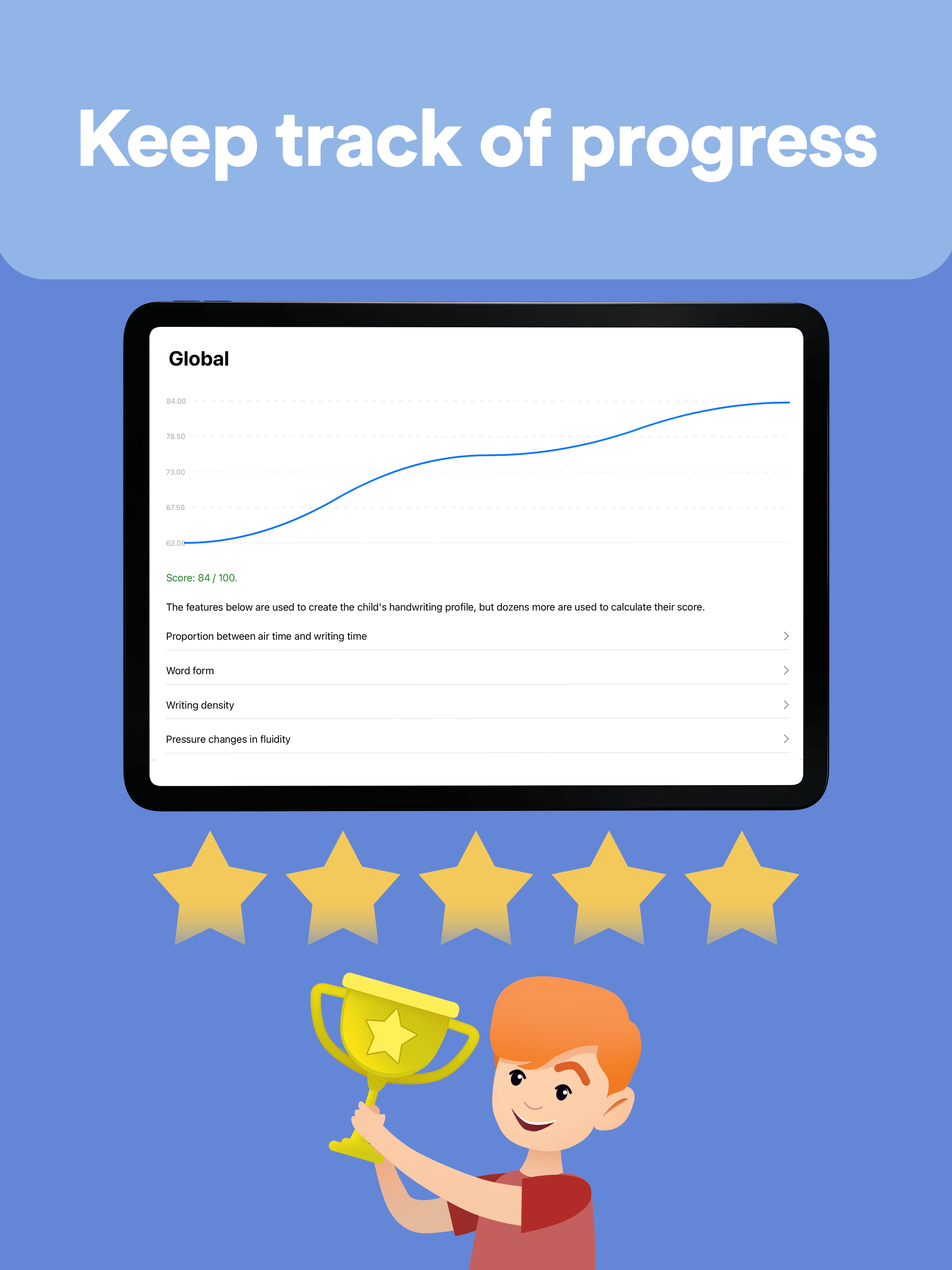
To address a weak impression-to-install rate on the App Store, I ran a series of A/B tests over six months on what the store actually allows you to change: a handful of screenshots and very short copy. With the same underlying product, these iterations took conversion from 1.5% to 6.5%, a 4.3× increase.
Before – original screenshots (1.5% conversion)
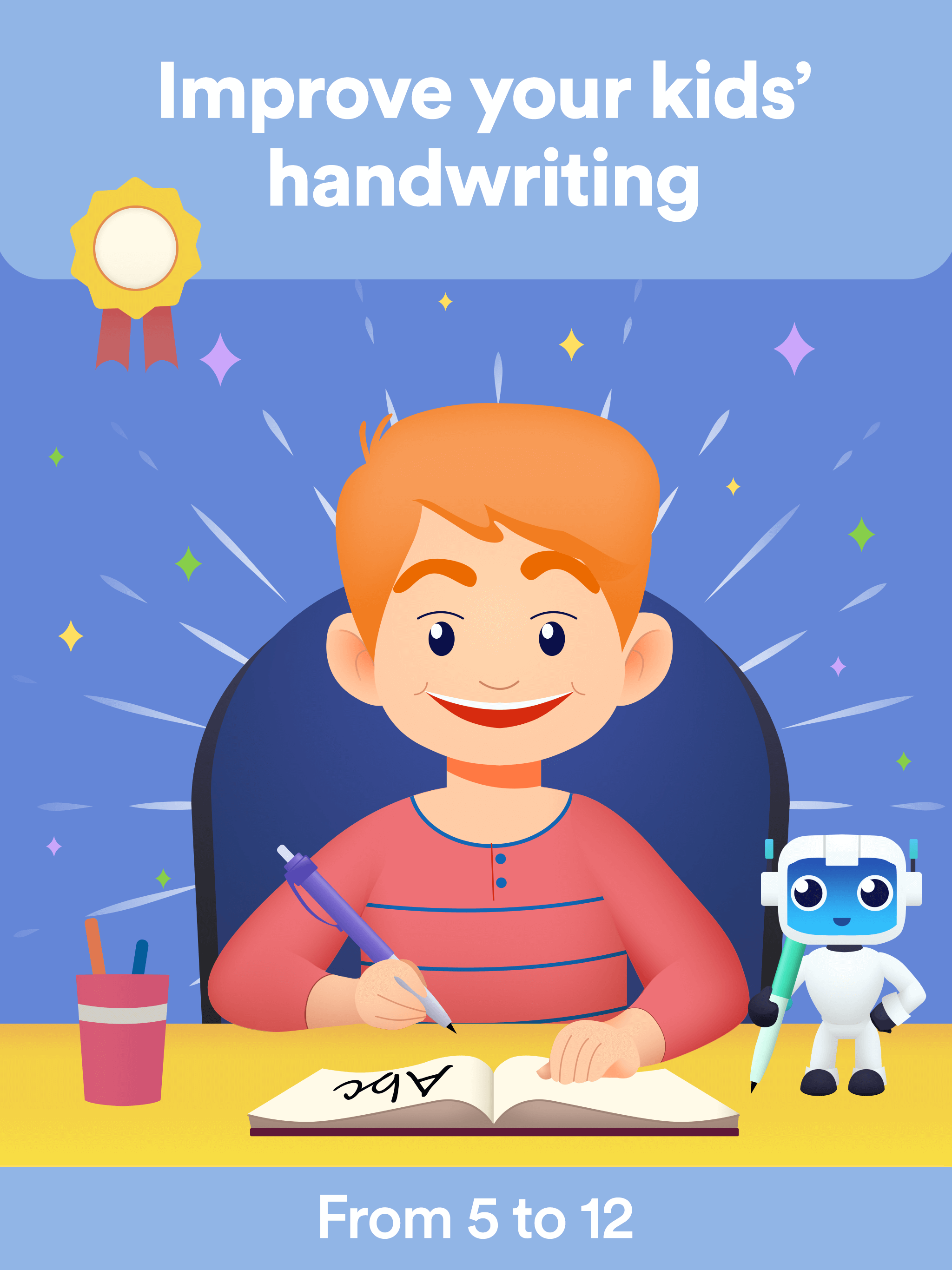
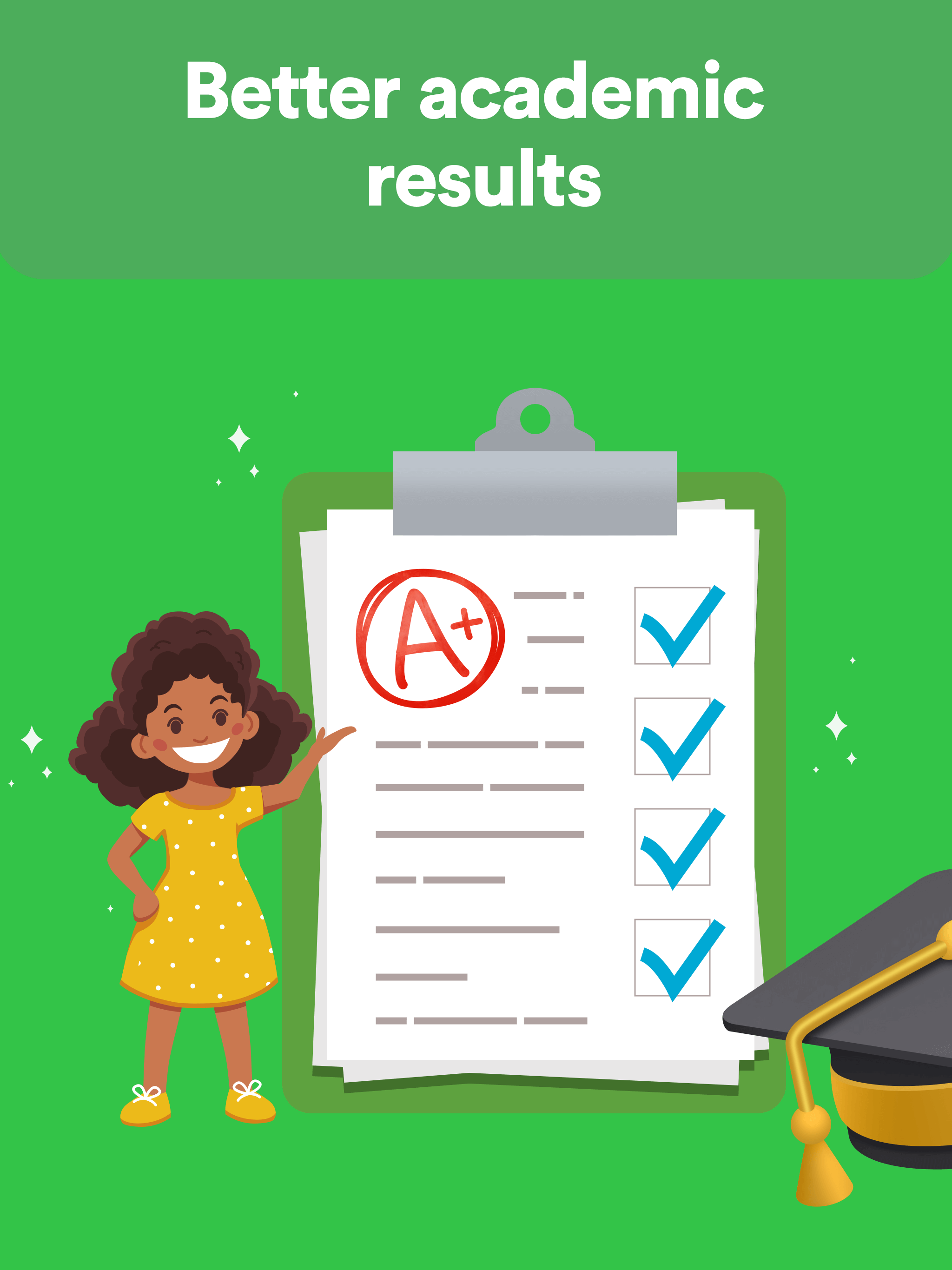
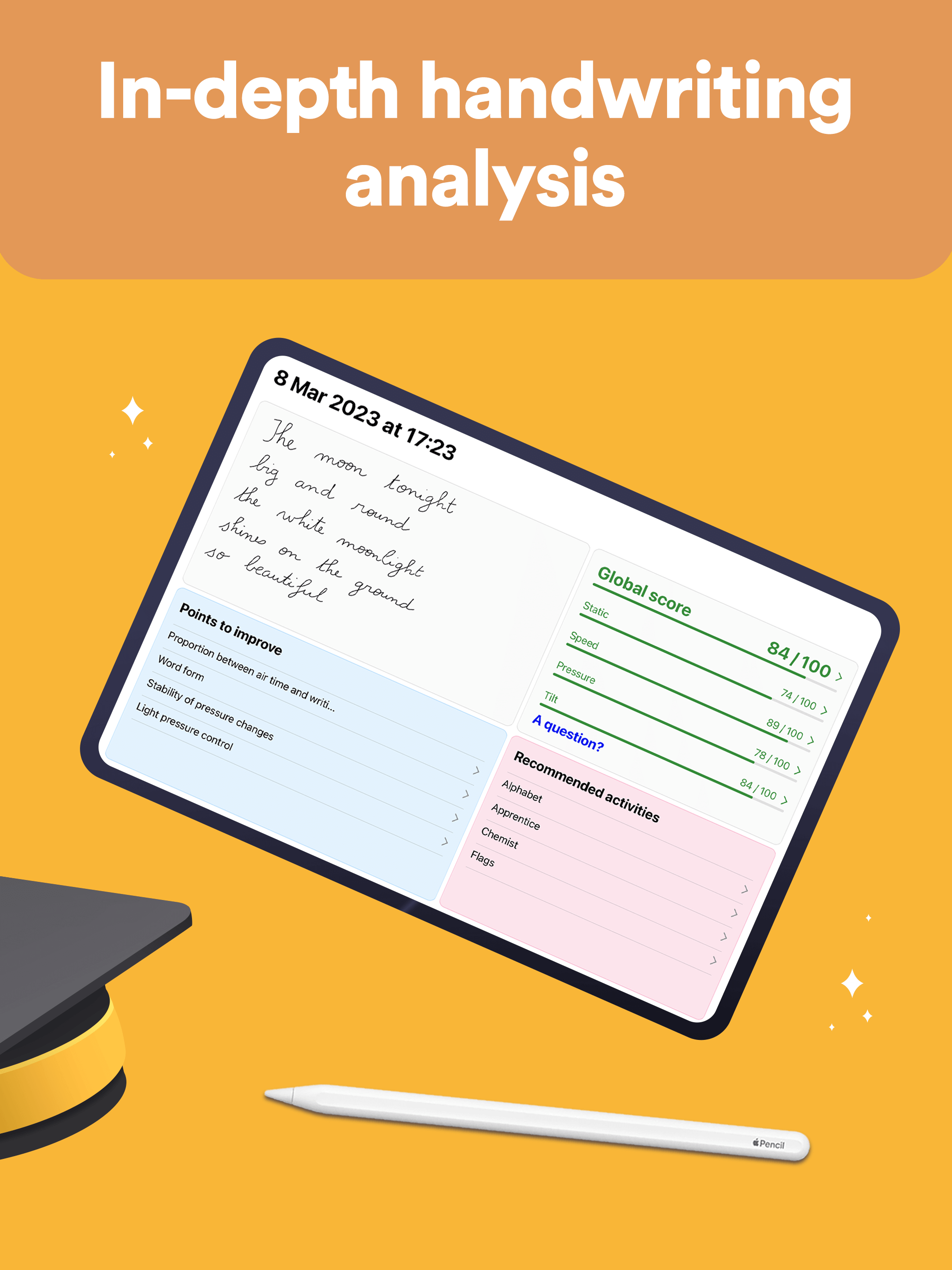
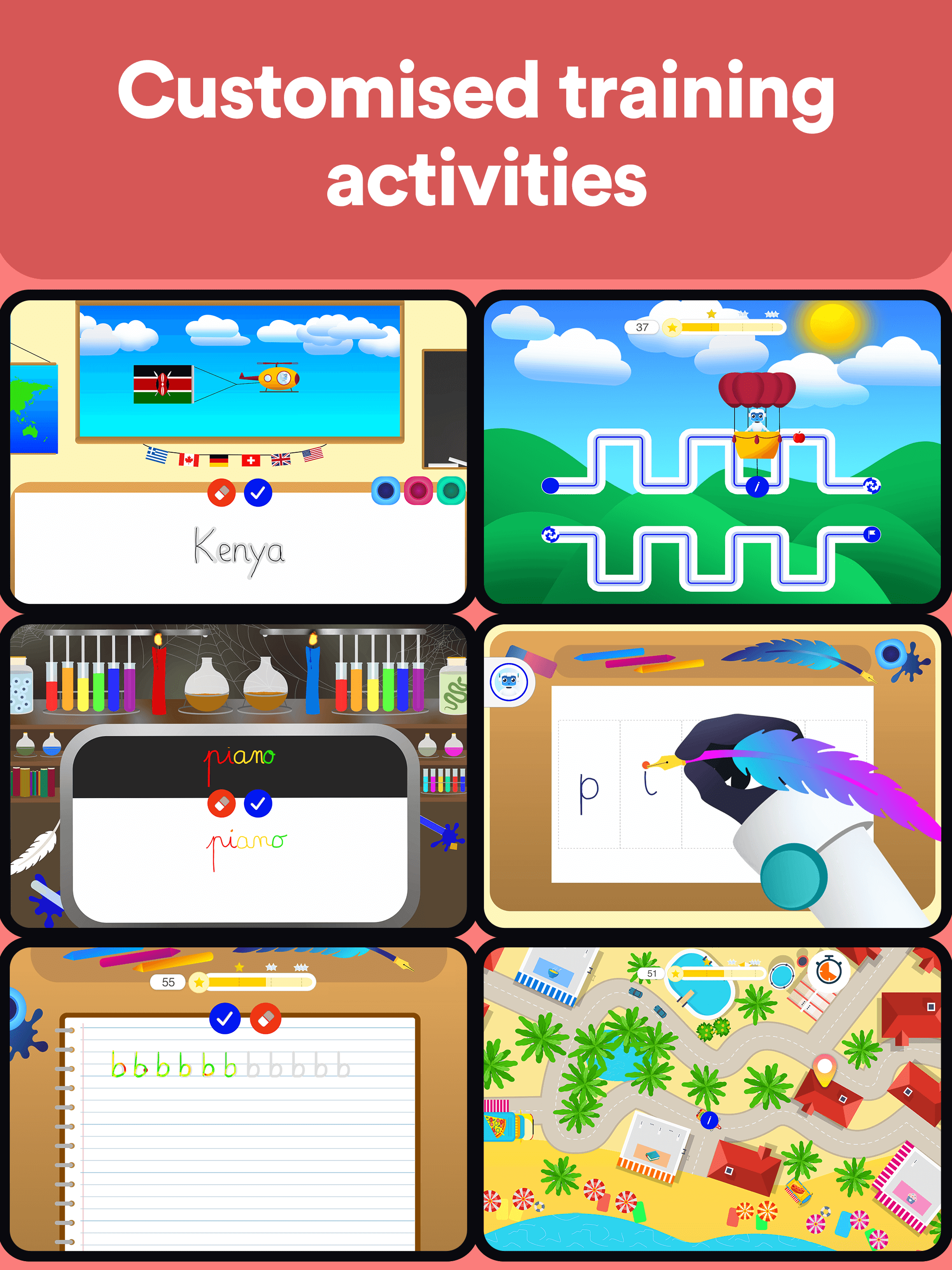
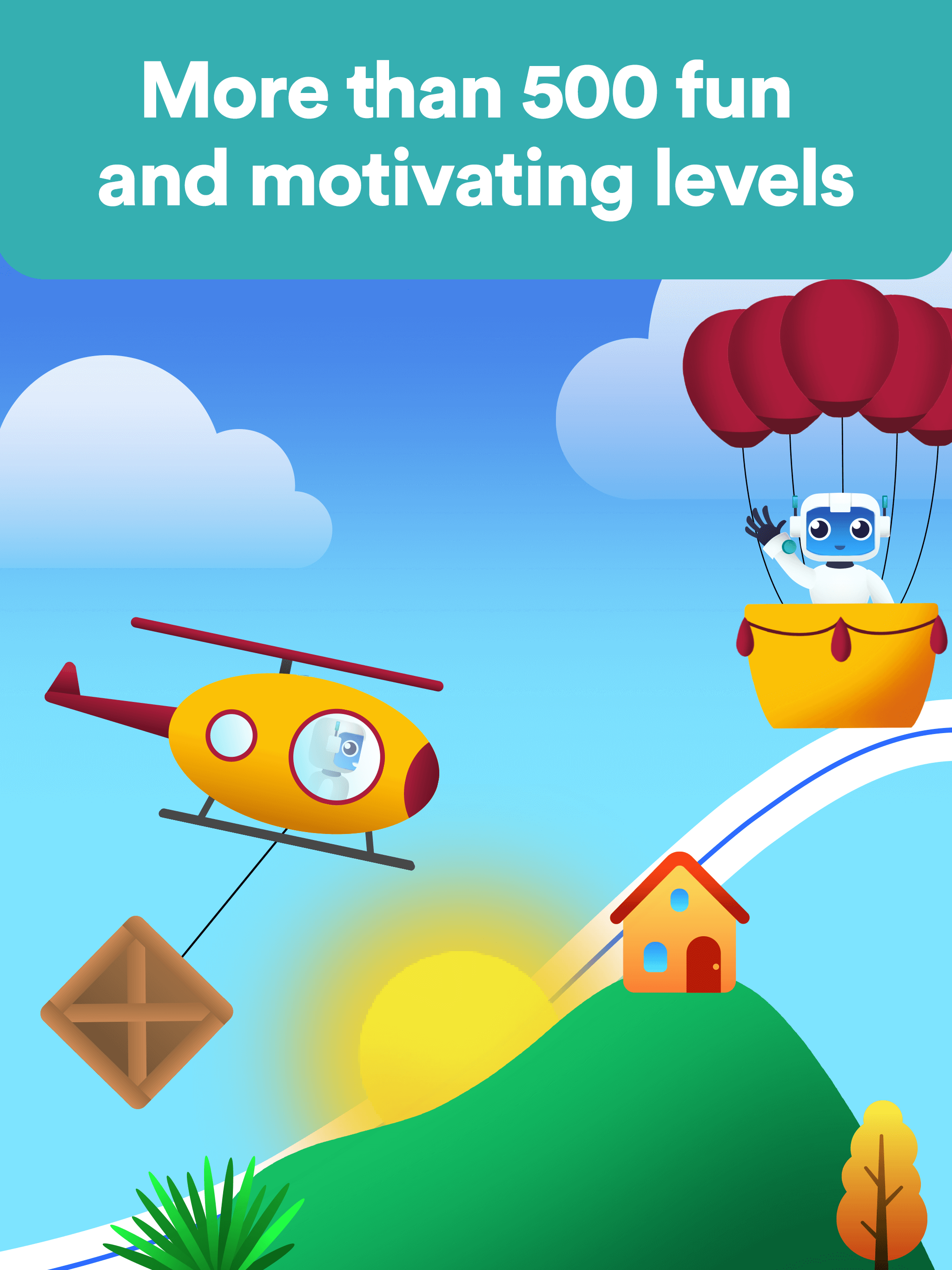
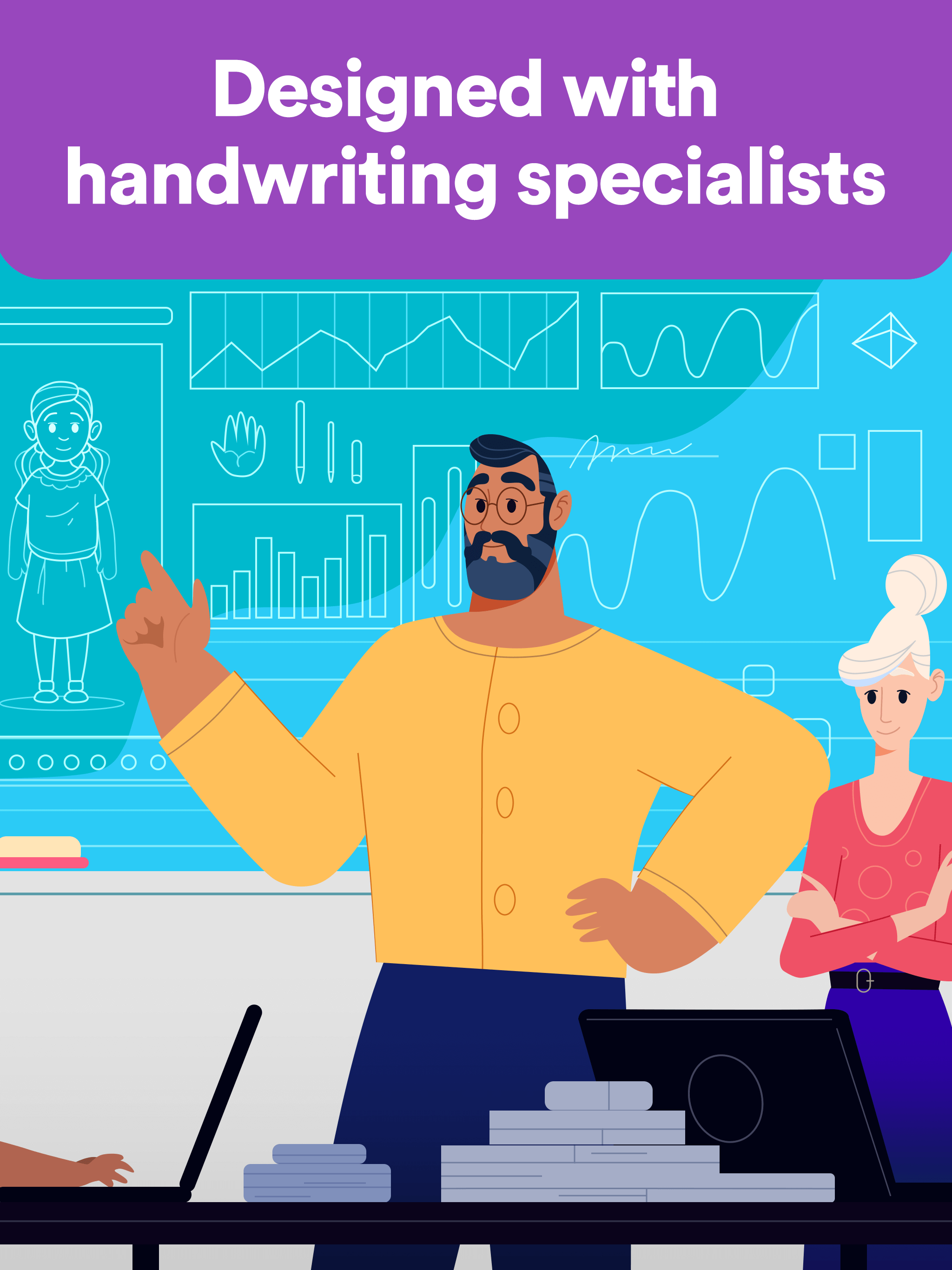
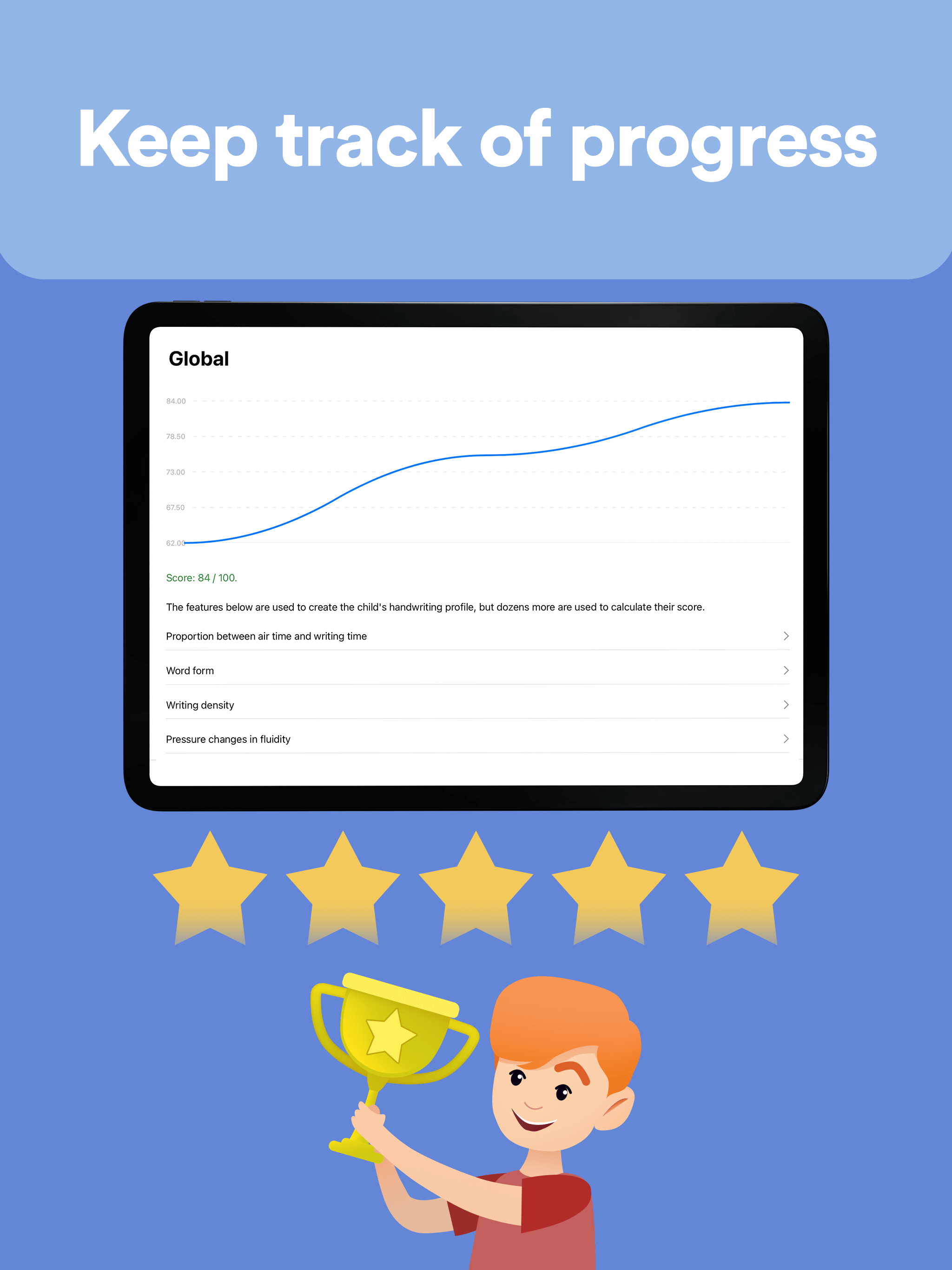
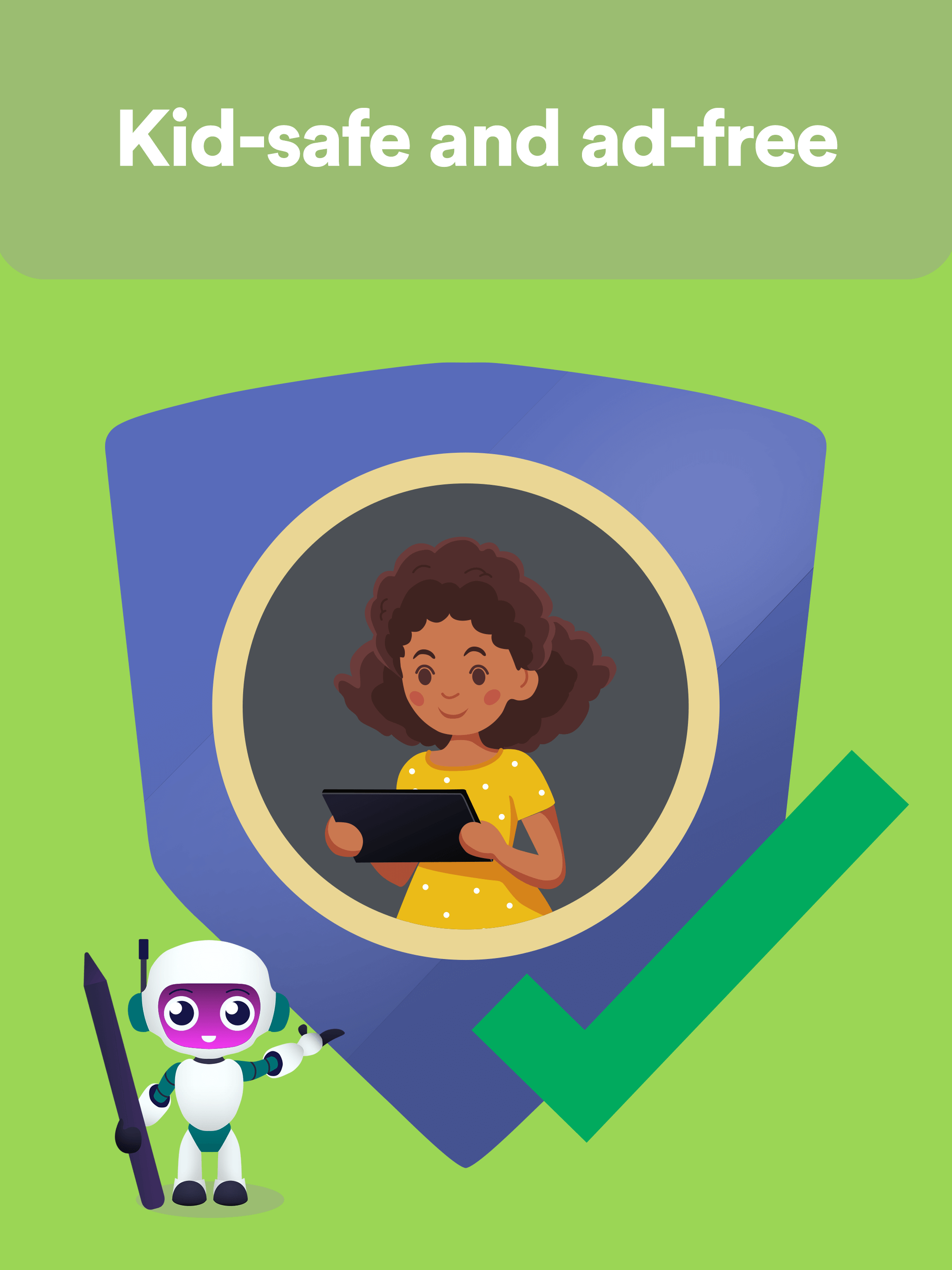
After – new narrative & visuals (6.5% conversion)
Impact
User adoption
Reached 300K+ downloads with conversion and retention in the top 5% of EdTech apps (based on RevenueCat benchmarks), and a 4.8★ App Store rating.
Before: research prototype with ~200 children
After: consumer product used across Europe
Learning outcomes
Children using the app regularly improved their handwriting around 21% faster than control groups in school partnerships.
Based on before/after assessments run with partner schools
Growth efficiency
The App Store funnel (impression → install, trial start and paid conversion) performed between the top quartile and the 95th percentile for education apps , effectively around the top 5% of the category , despite a modest marketing budget.
Achieved through continuous experimentation on store assets and messaging
Strategic moat
Created one of the largest structured datasets of children's tablet handwriting in Europe, strengthening both the product and ongoing research.
Built from 20K+ handwriting samples collected through school partnerships in five countries
What I learned
Research ≠ product requires brutal simplification
Early versions tried to show everything the system could detect. Users were confused. The breakthrough came when we focused on one clear promise and hid complexity behind progressive disclosure. Sometimes the hardest product decision is what to leave out.
B2B and B2C need different truths
Parents wanted reassurance and fast results. Schools needed proof it wouldn't disrupt day-to-day reality in the classroom. Same product, completely different positioning. In hindsight, I would focus on nailing one motion perfectly (for example parents) before trying to grow B2B and B2C in parallel.
Data partnerships are product work
Building the 20K-child dataset wasn't just about model accuracy, it shaped our understanding of real constraints, built credibility with schools, and forced us to design for messy, real-world conditions instead of lab perfection. The product and the research evolved together.