Case study
 Flyerz
Event discovery platform for France & Switzerland. I led product from idea to 10M+ event views, 97% coverage and 90% weekly actives, with a pre-launch distribution experiment that generated 300K signups in 48 hours on city-based Facebook pages organically.
300K
Pre-launch signups (48h)
10M+
Event views
97%
Regional coverage
90%
Weekly active users
Product
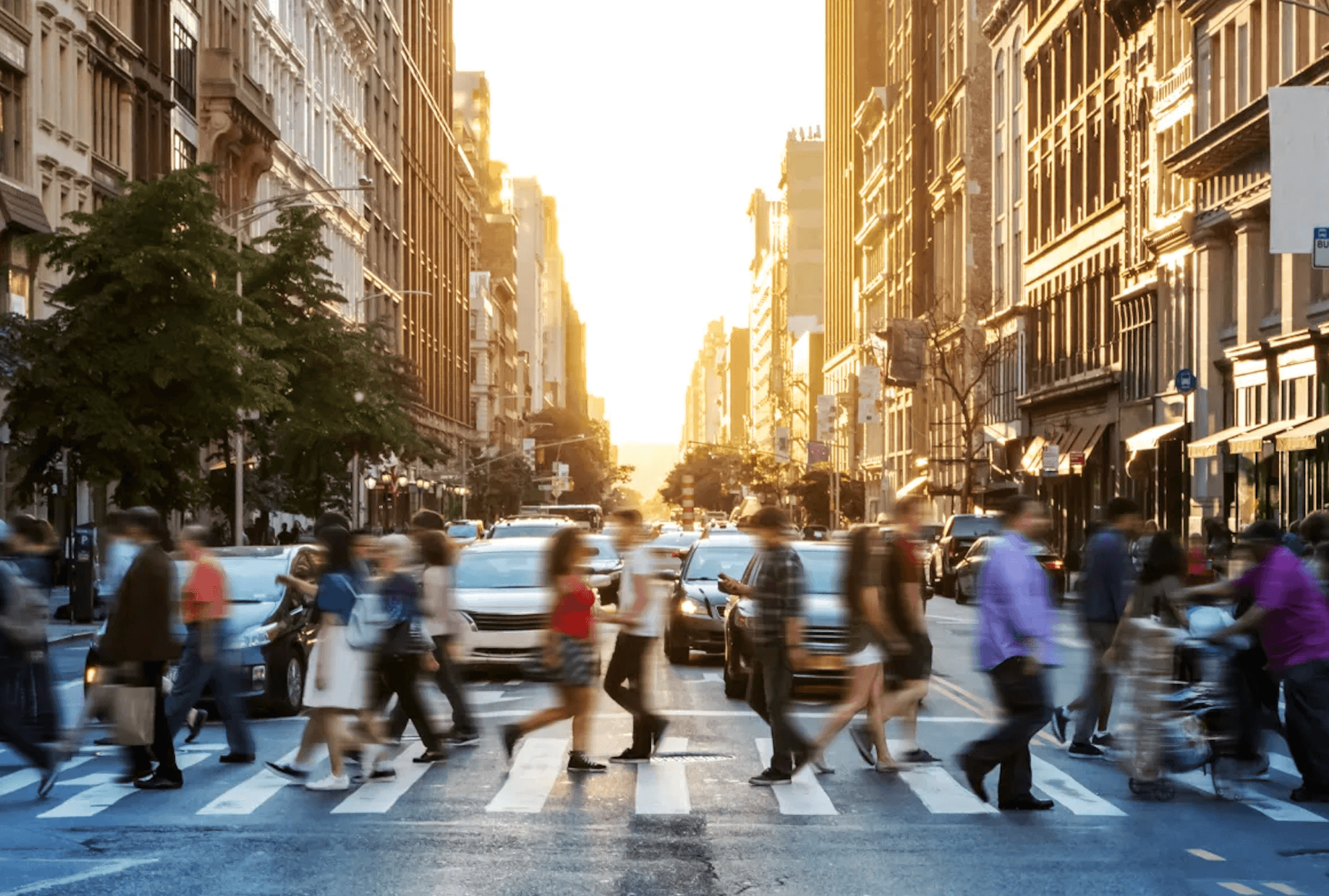
Consumer app (iOS & Android) backed by an automated pipeline aggregating events from local websites, newspapers and social platforms, plus a B2B API powering clients' websites, apps and print listings.
My role
- • Co-Founder & Head of Product
- • UX/UI design for mobile & web
- • iOS application development
- • Scraping scripts to collect event data
- • Partnerships with event organisers & cities
- • Growth, acquisition & B2B sales
Team & context
- • Small, bootstrapped team
- • No external funding
- • Fragmented, under-digitalised event ecosystem
- • Goal: become the source of truth for local events
How Flyerz worked
One loop for users, one loop for clients, both powered by the same event engine.
Set your hobbies
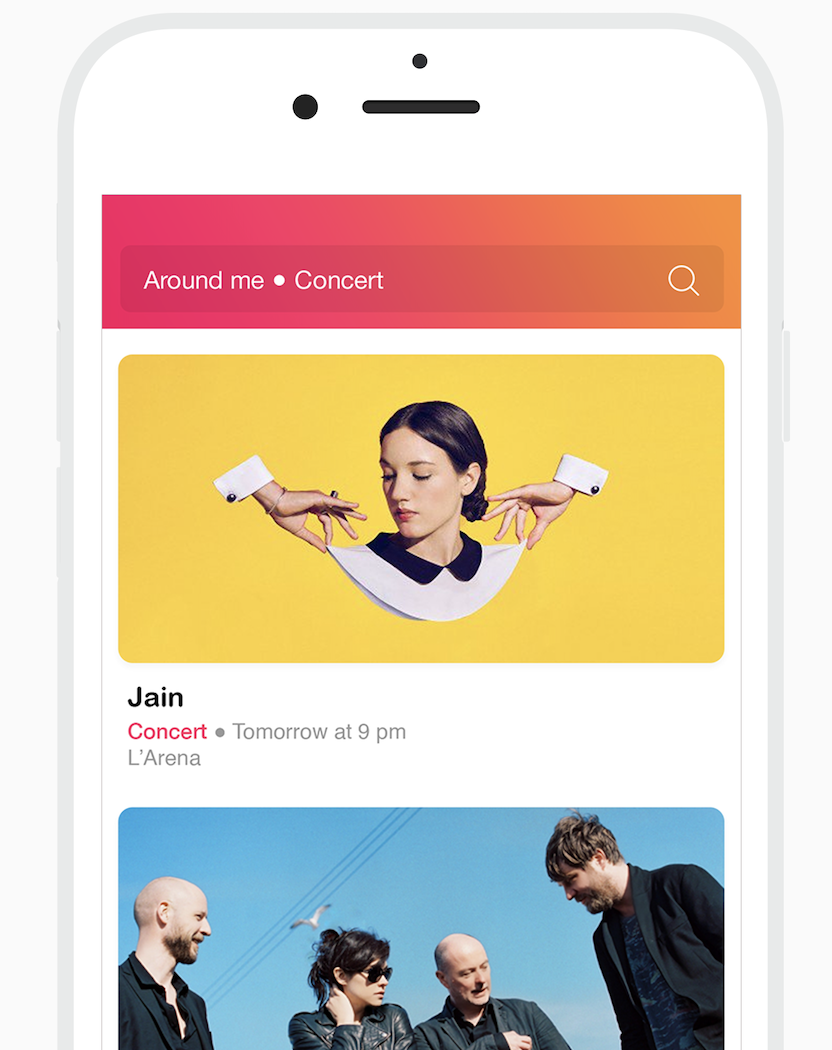
Quick onboarding: pick a city and a few hobbies. That's enough to start pushing relevant events from day one.
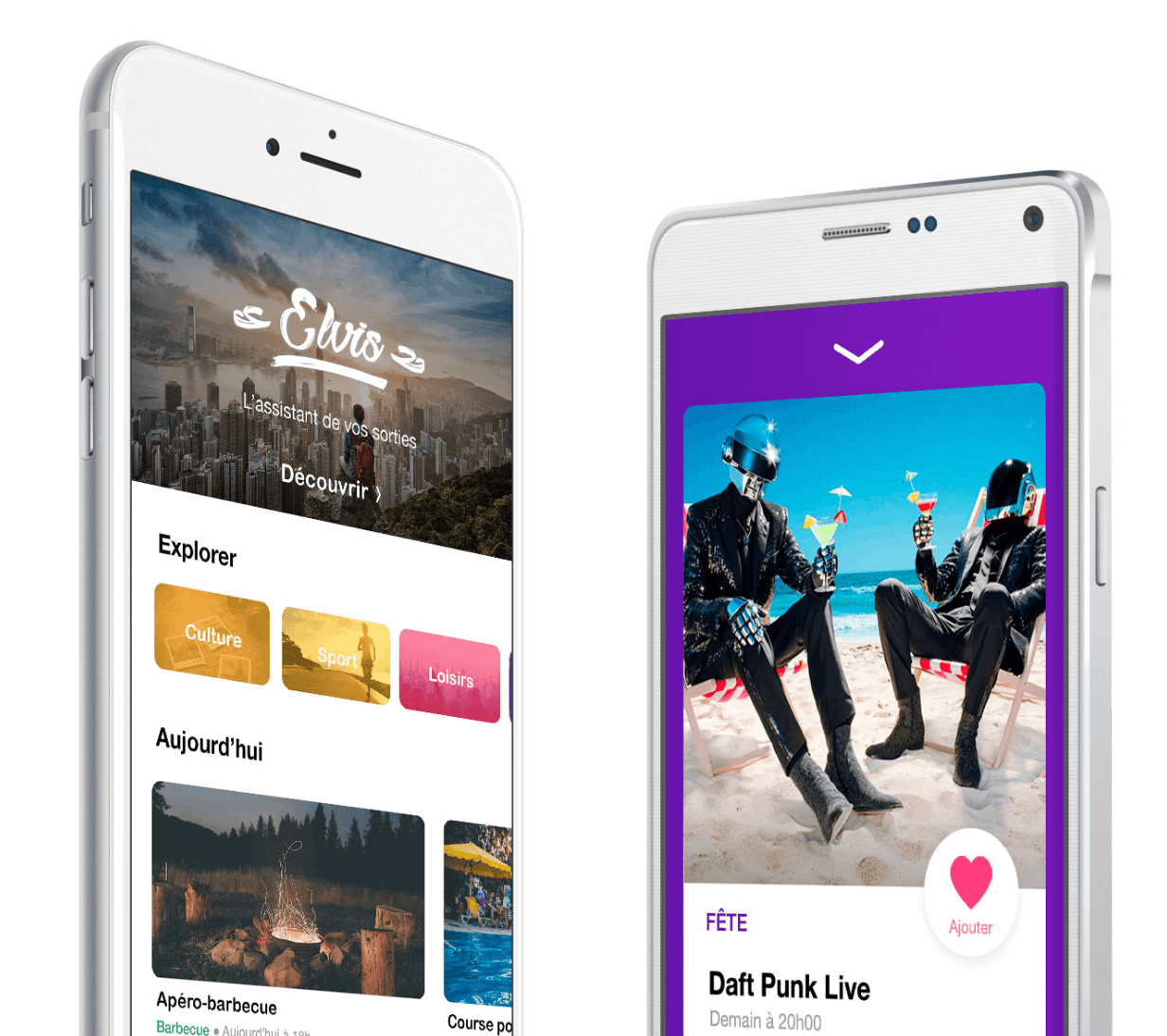
Scroll "Elvis"
"Elvis", our personalised feed, blended hobbies, behaviour and city context to answer "what should I know about this week?" without any manual search.
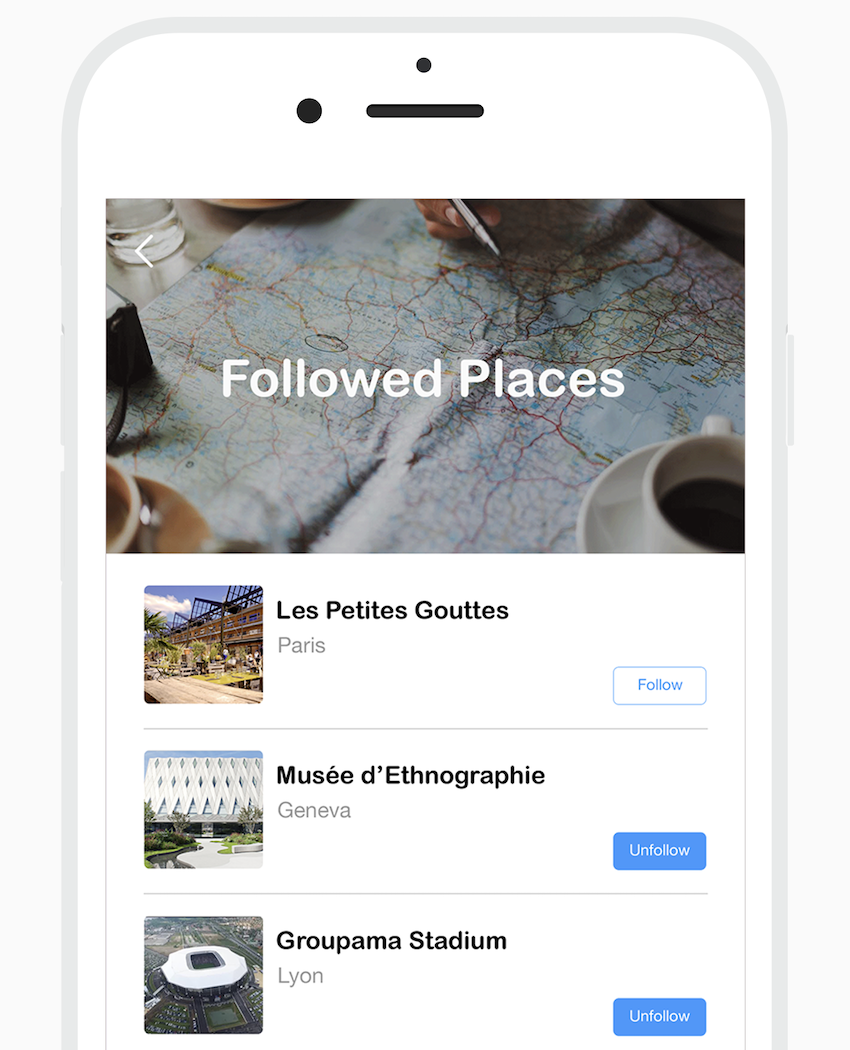
Follow venues, get notified
Users followed their favourite venues and received notifications when new or highly relevant events popped up, creating a weekly habit.
For B2B clients
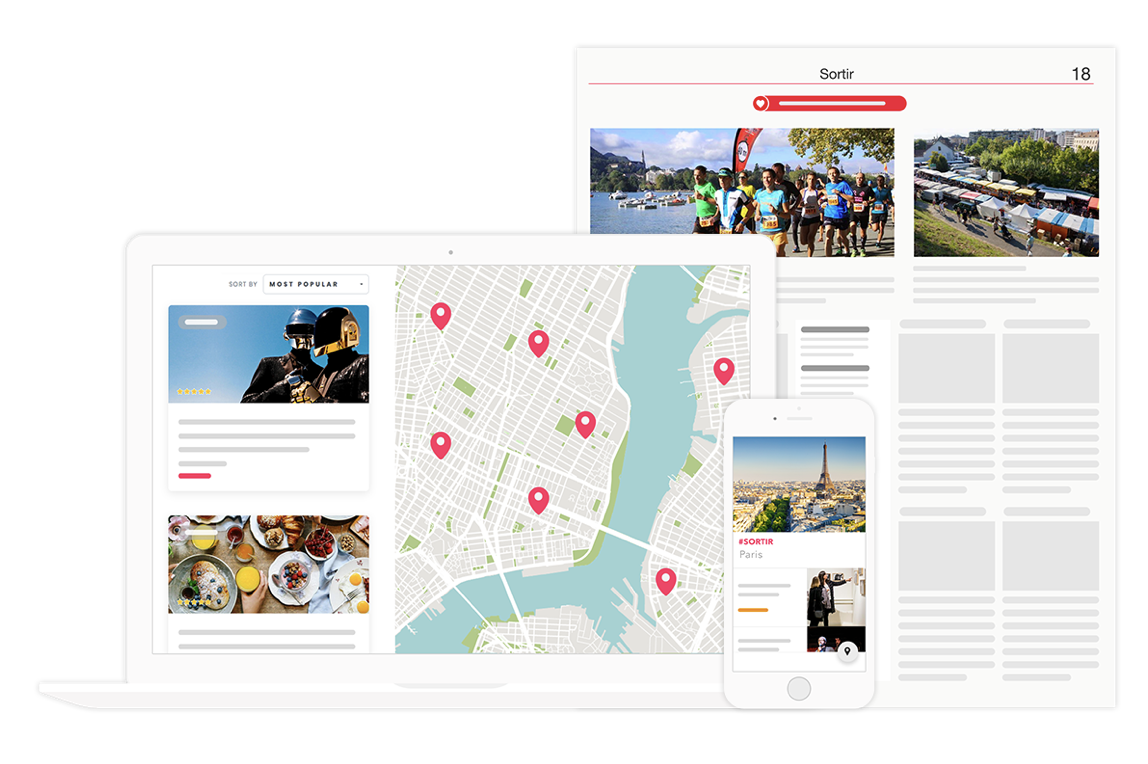
Underneath, the same structured database powered widgets, APIs and exports for media and transport companies. They integrated Flyerz data into their apps, websites and weekly print pages, turning our event feed into part of their core user experience.
Context
The opportunity
Finding something to do locally was a mess. Events were buried across regional press, Facebook, city websites and flyers. Existing solutions like Facebook Events and regional platforms were cluttered with spam and fake events. No one owned "what's happening around me?" in a way that felt both complete and reliable.
Starting point
We started with a simple MVP and a beta in Grenoble, a student-heavy city I knew well. That phase proved two things fast: people felt lost without a central source of events, and the right framing could trigger very strong word-of-mouth.
Challenge
How do you build an exhaustive, real-time event database people actually use every week?
Flyerz had to solve three hard problems at the same time.
Data fragmentation
Turn messy, duplicated event data from dozens of sources into a clean, unified database.
Zero-effort UX
Serve answers to "what should I do?" in one swipe, for people who don't want to research.
Business model
Avoid the local-ads trap by turning the data itself into something clients would pay for.
Approach
What I did
Build the event engine
Scraping & structuring
I wrote scraping scripts to pull events from local websites, newspapers and platforms like Facebook, while my co-founders built the backend and intelligence layer to ingest and normalise everything.
Impact: Flyerz consistently surfaced around 2× more events than our closest competitors. That "we have everything" advantage became central to how we sold both the app and the API.
Kill the map, ship the feed
UX & recommendations
The first version was built around a map. It looked cool, but user tests in Grenoble were clear: people didn't want to explore, they wanted a shortlist.
Together with my co-founder, I redesigned the experience around "Elvis", a personalised feed combining hobbies, liked events, and venue follows. Open the app, scroll Elvis, be done in seconds.
Impact: This simplification drove exceptional stickiness, with weekly active users peaking around 90%.
Design for distribution
Growth
With no marketing budget, we focused on how people already talked about events: city groups, tagged friends, "what's up this weekend?" posts.
That thinking led to the pre-launch experiment with city-based Facebook pages, and to deeper collaborations like the partnership with the city of Annecy for its flagship events.
Impact: I turned a few simple pages into 300K pre-launch signups and a built-in distribution channel, before the app was even live.
Audience validation
300K pre-launch signups in 48 hours for free
Before launching the app, I tested the idea with simple Facebook pages like "Événements à Lyon - été 2015". No product, no code, just the promise of a single place for local events.
What happened
I created pages for the main French cities and let them live. People poured in, posted their events, tagged friends and shared the page. I added weekly "best of the week" posts to keep the momentum.
In roughly 48 hours, these pages generated around 300,000 signups across ~30 cities, entirely organic.
Why it mattered
The speed and scale were a strong confirmation: the need was obvious, and our framing clicked instantly. It also gave us a live lab: we watched what people posted, which events spiked, and which categories drove the most engagement.
This experiment didn't just bring an audience, it gave us a playbook for distribution and a clear signal that investing in the product was worth it.
Strategic shift
From app to infrastructure: pivoting to B2B
Why we pivoted
Even with strong engagement, a pure B2C events app was a tough bet: local ads only really work at massive density in each city, and we didn't have the capital to buy that scale everywhere.
Meanwhile, regional media and transport operators came to us asking for our data. They didn't want another app, they wanted our event graph inside their own products.
What I drove
I led the B2B conversations and pilots with local press groups, the city of Annecy and transport companies, defining the data formats, integration flows and use cases.
Flyerz essentially became an "event infrastructure layer": our API and exports powered client sites, apps and weekly print sections, while the consumer app remained the visible tip of the iceberg.
Impact
Coverage & engagement
Flyerz delivered over 10M event views, with around 97% regional coverage, roughly 2× the events of our closest competitors. Weekly active users peaked around 90%.
Coverage + simplicity were the core growth engine.
Audience & distribution
The Facebook experiment generated 300K pre-launch signups across ~30 cities in a couple of days. That audience became our main launchpad when the app rolled out.
€0 ad spend, only organic mechanics and weekly curation.
B2B clients
We signed contracts with regional media and transport operators, including local press groups, the city of Annecy for major events like the Fête du Lac and Christmas market, and transport companies surfacing events along their lines.
Our data powered both digital experiences and weekly print sections.
Recognition
Flyerz was featured in outlets such as 20 Minutes and other online publications, and won the Rhonexpress Innovative UX award for its event discovery experience.
The 20 Minutes feature generated such a spike of traffic that it briefly overloaded our servers.
Why we stopped
By early 2020, the B2B model was gaining traction. We were about to sign larger integrations with major French media groups and extend our data feeds to additional clients. The trajectory was promising, even if capital-constrained (we were in talks to raise funding).
Then COVID-19 hit. Within weeks, physical events disappeared and the outlook for the sector became uncertain for an unknown period. For an event-centric product with limited resources, waiting it out was not a rational option.
We made the call to shut down Flyerz. The engagement and demand were there, but the market itself temporarily vanished.
What I learned
Monetisation can’t be an afterthought
Engagement is not a business model. The earlier you test who pays and why, the easier it is to pivot before you’re locked into the wrong motion.
Simple beats clever, every time
A beautiful map is nice; a one-swipe feed people open every week is better. Reducing effort almost always wins.
Virality is a signal, not the finish line
Hitting 300K signups in 48 hours was a strong validation, not proof of product-market fit. You still need to do the hard work on UX and business model.
Sometimes the asset is the infrastructure
What people valued most wasn’t our UI, it was our event graph. Thinking “what infrastructure are we quietly building?” has shaped how I approach products since then.